
Top-Rated Foundation Repair Solutions For Long-Term Structural Support
Browse trusted products that provide effective foundation stabilization and prevent costly future repairs.
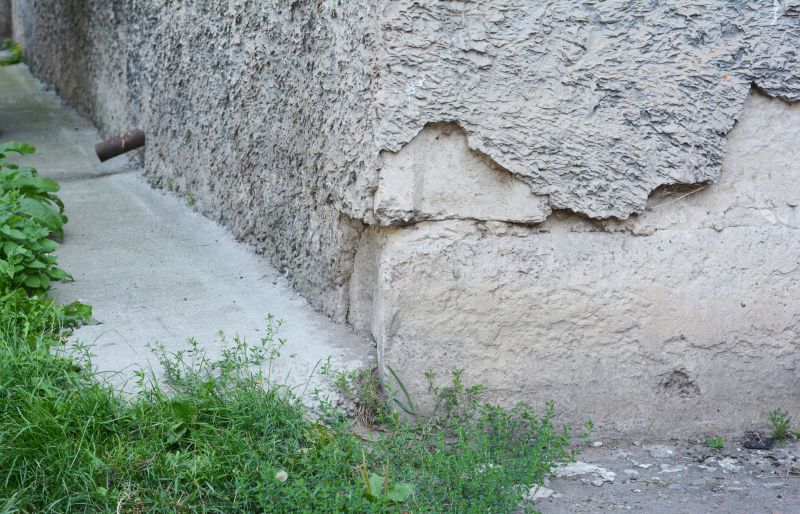 Foundation repairs are a critical aspect of maintaining the structural integrity of a building. When signs of foundation issues such as cracks, uneven floors, or sticking doors appear, addressing them promptly can prevent further deterioration. There are a variety of products designed to stabilize and repair foundations, each suited to different types of damage and soil conditions. From underpinning systems to polyurethane injections, selecting the right tools and materials is essential for effective repairs. Proper application and professional guidance can help ensure long-lasting results and safety for occupants.
Top Overall Option
Hydraulic Piering System
Hydraulic piering systems are versatile and adaptable solutions that can provide stable support for compromised foundations. They work by installing steel piers beneath the foundation and using hydraulic jacks to lift and stabilize the structure. This method is suitable for a range of soil conditions and foundation types, offering a durable and reliable approach to foundation stabilization. Proper installation by trained professionals can help mitigate further settlement and movement, contributing to the overall safety of the building.
Types of Products For Foundation Repairs
Concrete Piers
Concrete piers are poured beneath the foundation to provide a solid support base, often used in underpinning projects.
Steel Piers
Steel piers are driven into the ground to reach stable soil layers, offering strong support for foundation stabilization.
Polyurethane Foam Injectors
Polyurethane foam is injected into voids and cracks to lift and stabilize sections of the foundation temporarily or permanently.
Carbon Fiber Reinforcement
Carbon fiber strips are applied to interior walls to reinforce cracks and prevent further movement.
Anchor Bolts
Anchor bolts secure the foundation to the framing, helping to stabilize walls and prevent shifting.
Mudjacking and Slab Jacking
This process involves injecting a slurry beneath concrete slabs to lift and level sunken areas.
Underpinning Piles
Piles are driven into the ground to support and lift foundations that have settled significantly.
Helical Piers
Helical piers are screw-like supports used to stabilize and lift foundations with minimal disturbance.
Soil Stabilization Products
Materials designed to improve soil bearing capacity and reduce settlement issues.
Crack Repair Sealants
Specialized sealants fill cracks and prevent water intrusion, which can cause further damage.
Vapor Barriers
Installed to control moisture levels around the foundation, reducing soil expansion and contraction.
Drainage Systems
Proper drainage solutions help divert water away from the foundation, minimizing erosion and pressure.
Foundation Braces
Support braces reinforce walls and prevent further cracking or bowing.
Grouting Materials
Used to fill voids and stabilize soil or cracks within the foundation.
Foundation Repair Kits
Complete kits containing various tools and materials for small to medium repairs.
Waterproofing Membranes
Applied to exterior or interior surfaces to prevent water infiltration and damage.
Popular Choices
Widely used for quick sealing and lifting of minor cracks and voids in the foundation.
Commonly selected for their strength and adaptability in various soil conditions.
Popular for leveling sunken concrete slabs around the foundation.
Effective for reinforcing cracked basement walls and preventing further movement.
Often chosen for their ability to lift and stabilize foundations with significant settlement.
Commonly installed to improve water flow and reduce foundation pressure.
Frequently used for sealing small cracks and preventing water intrusion.
Popular for supporting sagging floors and uneven surfaces.
Selected for their ability to improve soil stability beneath the foundation.
Commonly used to reinforce walls from the inside against shifting.
Applied to foundation exteriors to protect against water damage.
Used to stabilize bowing or leaning basement walls.
Popular for controlling moisture and reducing foundation stress.
Selected for supporting structures over unstable soil or waterlogged areas.
Commonly used to fill and seal cracks for added stability.
Frequently installed to manage water accumulation around the foundation.
Key Buying Considerations
- Identify the specific foundation issues and extent of damage before selecting products.
- Consider the soil type and moisture levels at your location to choose appropriate solutions.
- Evaluate whether professional installation is recommended or if DIY kits are suitable.
- Check for compatibility of repair products with your existing foundation materials.
- Assess the longevity and durability of the repair materials to ensure long-term stability.
- Review the ease of application and whether specialized tools or skills are required.
- Determine the potential for water intrusion and select waterproofing or drainage products accordingly.
- Understand the load-bearing requirements and select products rated for your foundation's weight.
- Research local building codes and regulations related to foundation repairs in Plainfield, IN.
- Consider the cost-effectiveness and whether multiple products or a comprehensive system is needed.
- Look into warranty options or guarantees offered by manufacturers or service providers.
- Examine the product reviews and ratings for insights into real-world performance.
- Ensure that the products are suitable for the specific foundation type, such as basement, slab, or crawl space.
- Factor in the ease of future inspections and maintenance when choosing repair solutions.
- Consult with a foundation repair specialist to get tailored recommendations based on your property's condition.